
Explore Bob’s Story at AST
Explore the story of Bob Stark, and his experience finding support, community, and engagement at the Alzheimer Society of Toronto.
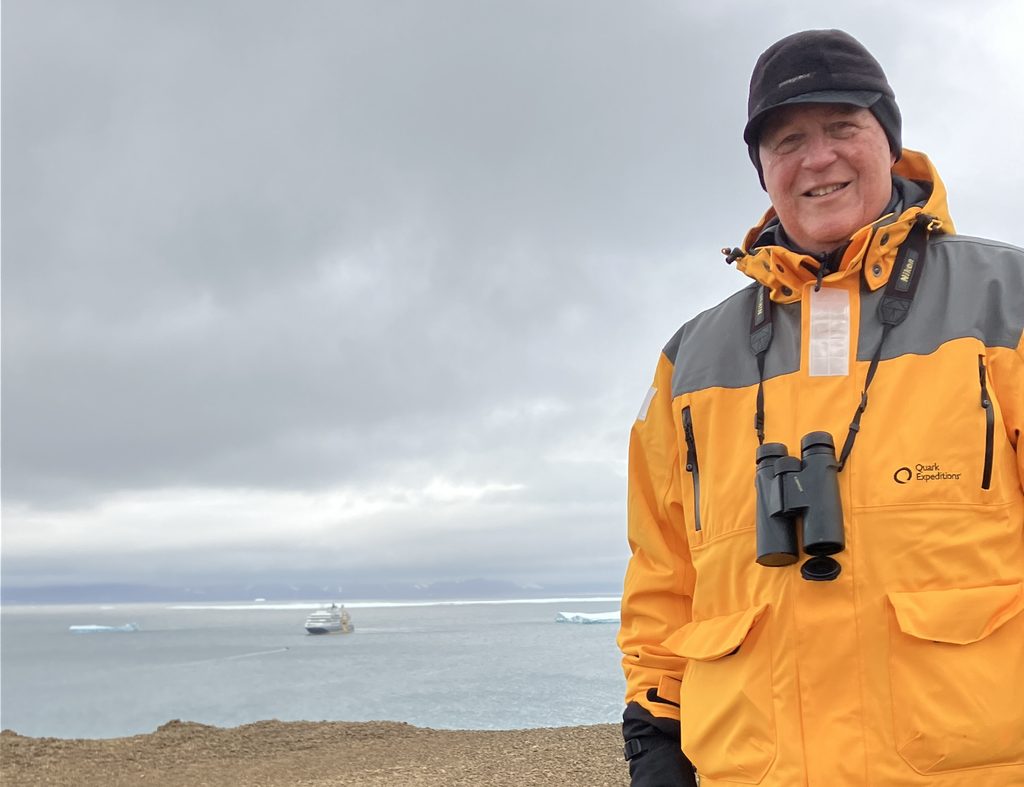
Living Openly with Dementia: Bob and His Family Want to Help Others and Encourage Progress
For Bob and his wife, the holidays are all about family. Each Christmas, their children and grandchildren gather, often staying overnight, sharing meals, singing songs, telling stories, and enjoying the simple pleasure of being together. Gifts are secondary – what matters most is the time they spend with one another.
Those moments feel especially meaningful these days.
Like many families, Bob’s family has faced significant challenges over the years. Most recently, they have been learning to navigate life with dementia, a diagnosis that has touched them deeply. Yet through it all, Bob and his wife have remained focused on what matters most: family, connection, and finding ways to live fully.
Now, they hope that sharing their story can help others feel less alone and more comfortable talking about their own experiences with dementia
A Family History of Dementia Living Openly with Dementia: Bob and His Family Want to Help Others and Encourage Progress
Living with a dementia diagnosis is not new to Bob’s family. His mother developed dementia later in life. Having witnessed the impact of dementia firsthand, Bob understands that dementia affects not only the person living with it, but their entire family and circle of caregivers.
His journey began about three years ago after a fall led to an MRI. The results raised concerns that led to further investigation. Approximately two years ago, Bob was diagnosed with LATE which is Limbic Associated TBD 43 Encephalopathy. It is similar to Alzheimer’s, but medications commonly used to treat Alzheimer’s disease are not effective. One hopeful aspect of his diagnosis is that this form of dementia is generally understood to progress more slowly.
As Bob, his wife, and their family continue navigate what the diagnosis means for their lives, Bob is determined to use his experience to help others both today and, in the years to come. He believes there is still too much stigma surrounding dementia and Alzheimer’s disease, leaving many people hesitant to speak openly about their experiences. Bob sees parallels to the way cancer was viewed years ago, when people often kept their diagnosis private and conversations about the disease were much more difficult to have.
“I want people to understand that a diagnosis doesn’t mean life is over,” he says. “You still need to find ways to improve your quality of life, stay involved, and do the things that are important to you.”
For Bob, openness matters.
He believes dementia and Alzheimer’s disease deserve far greater public attention not only for the impact they have on individuals, families and communities today, but for the growing challenge they will pose in the years ahead. He also sees an urgent need for greater investment in research and the development of new treatments and therapies. By sharing his story, he hopes to make it easier for those living with dementia, their families and care partners to talk openly about their experiences and seek the help they need.
A Life Filled with Learning and Adventure
Bob grew up in Toronto’s Hoggs Hollow and was surrounded by books and ideas from an early age.
He went on to study computer science and programming at the University of Toronto before building a successful career in technology, management, and government. Over the years, he worked for Manulife, Imperial Oil, Rogers, and the Ontario Government. As a Deputy Minister, Bob helped develop the original framework for Service Ontario, bringing government services for consumers and businesses together under one roof. He remembers those years fondly. “It was very citizen-focused,” he recalls. “We were trying to make government easier for people to navigate.”
Outside of work, Bob pursued another passion: flying. A recreational pilot for many years, he flew extensively throughout Ontario, the East Coast, the Prairies, and even the Arctic! And from Peterborough, where he kept his aircraft, he flew as far south as Florida.
At one point, he owned a Cessna 180, an amphibious aircraft capable of carrying four people. A lifelong technology enthusiast, he upgraded the plane with a fully digital instrument panel. Flying became part of his everyday life. During his years in government, he would sometimes spend evenings at the family cottage before flying into Toronto the following morning, landing at Billy Bishop Toronto City Airport in time for work. Eventually, as his dementia progressed, Bob made the difficult decision to stop flying.
Family Remains at the Centre
Today, family continues to be the centre of Bob’s world. He and his wife have four children and seven grandchildren, all living in the Greater Toronto Area. Bob lights up when he talks about his grandchildren and the unique personalities each one brings to the family.
The couple divide their time between their family home near Creemore and a condominium in Toronto. Christmas is often spent with a full house of children and grandchildren. For Bob and his wife, those gatherings are a reminder of what truly matters.
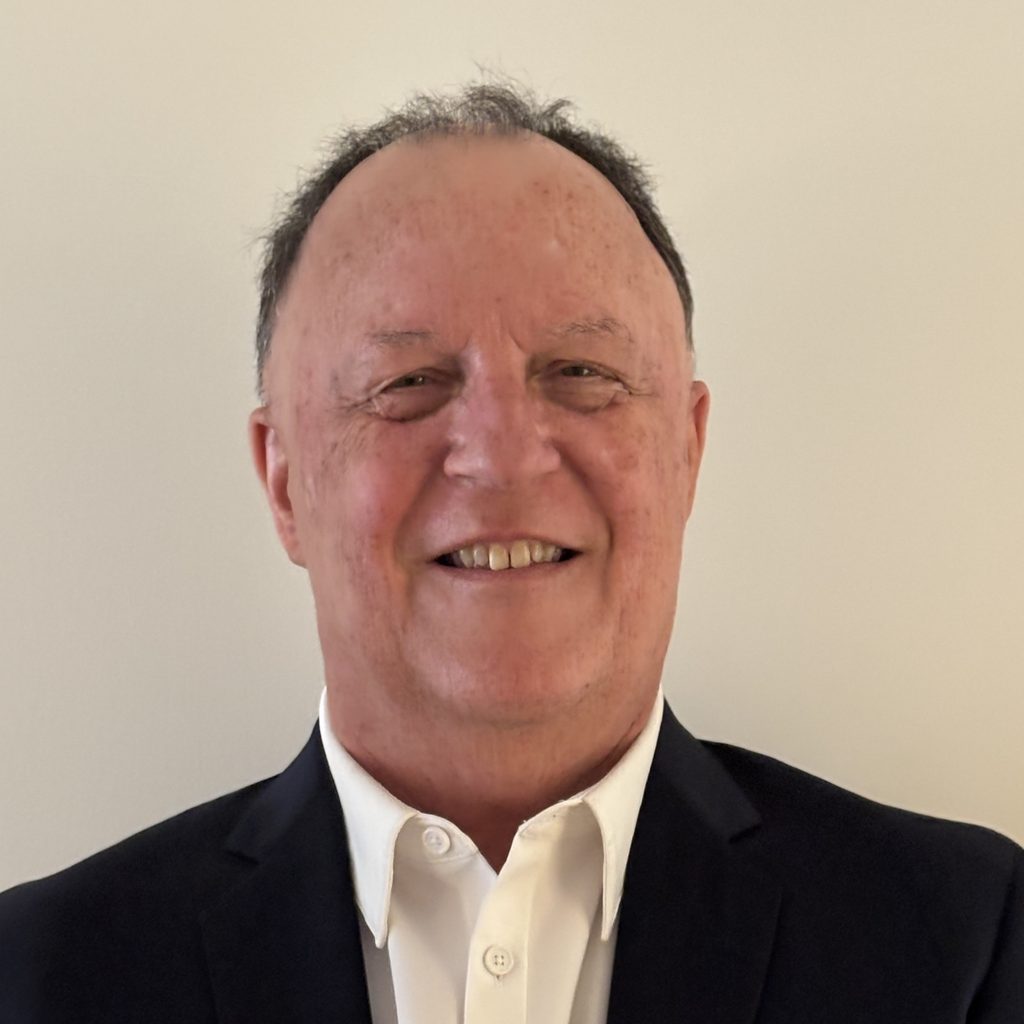
“It’s so wonderful to see my grandchildren,” he says. “They are all very different, and it’s wonderful to see.”
Finding Support and Community
Support groups have become an important source of connection and encouragement since Bob’s diagnosis. Following the recommendation of his physician, he joined an early-stage support group offered by the Alzheimer Society of Toronto. The experience quickly became an important part of his life. “It is a magical time to be able to spend time speaking openly about challenges related to dementia,” he says.
Bob describes the group as a place where people can have honest conversations, share experiences, and support one another without judgment. He has developed a deep appreciation for the other members and for the group facilitator, whom he describes as “just fantastic.” For Bob, the experience has reinforced an important lesson: “The challenge of dementia and Alzheimer’s is much broader than just me,” he says. “I want to help others as much as possible.”
His wife plans to join an AST caregiver support group, which Bob feels will provide her with an opportunity to connect with others who understand the realities of caring for a loved one living with dementia.
Ultimately, Bob and his wife hope that sharing their story will help other families feel less isolated, more hopeful and drive the progression of treatment and therapies forward.
They want people to know that a diagnosis does not have to mean the end of an active, engaged, or meaningful life. They continue to cherish their family, friendships, interests, and the everyday moments that bring them joy. By sharing their story openly, they hope to make conversations about dementia easier to have and help reduce the fear and stigma that can surround a diagnosis. Above all, they hope to inspire greater understanding, stronger community support, and continued progress that will make a difference for families living with dementia today and in the future.
For Bob, that hope begins with a simple message: no one should have to face dementia alone.