
Alzheimer Society of Toronto
Alzheimer Society of Toronto
Events from this organizer

May 1, 2025 @ 12:00 pm - 1:30 pm
TEACH Program (Training, Education, and Assistance for Caregiving at Home)
The TEACH Program consists of 4 weekly group sessions that focuses on common caregiving themes; self-care, healthcare system navigation, relationship changes and future planning. The program coaches care partners in practical communication and coping skills, and provides an opportunity to share and learn from other care partners.
Audiences:

May 1, 2025 @ 5:30 pm - 7:00 pm
Long-Term Care Caregiver Support Group
This monthly caregiver support group will provide an opportunity for care partners of individuals diagnosed with OR suspected of having cognitive impairment residing in long-term care to come together to share personal feelings and support each other through the caregiving experience.
Audiences:

May 2, 2025 @ 10:30 am - 11:30 am
Celebrating Special Occasions (for Care Partners Supporting Persons Living with Dementia)
Toronto Public Library - Jane/Sheppard Branch 1906 Sheppard Avenue West, Toronto, Ontario, CanadaExplore the unique challenges of celebrating holidays and special occasions. Gain practical planning tips, including strategies to promote meaningful communication with person with dementia.
This session is hosted at the Toronto Public Library - Jane/Sheppard Branch.
Audiences:
May 2, 2025 @ 10:30 am - 12:00 pm
TEACH Program (Training, Education, and Assistance for Caregiving at Home)
Alzheimer Society of Toronto Head Office 20 Eglinton Ave West, 16th floor, Toronto, Ontario, CanadaThe TEACH Program consists of 4 weekly group sessions that focuses on common caregiving themes; self-care, healthcare system navigation, relationship changes and future planning. The program coaches care partners in practical communication and coping skills, and provides an opportunity to share and learn from other care partners.
Audiences:

May 5, 2025 @ 2:00 pm - 4:00 pm
U-First!® for Care Partners
U-First!® for Care Partners is a new education program for family and friends who are providing direct support to someone experiencing behaviour changes as a result of dementia or other cognitive impairment.
Audiences:
May 6, 2025 @ 11:00 am - 3:30 pm
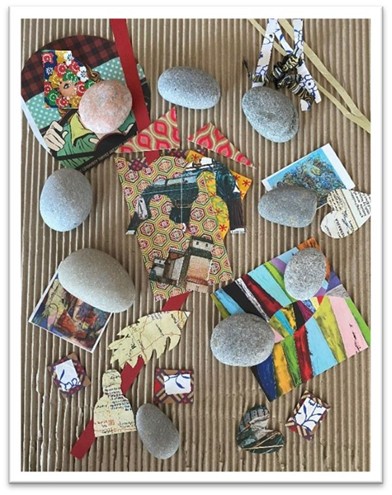
Art Therapy – Individual Sessions w/ Kathleen
Mid-Scarborough Hub 2658 Eglinton Ave E, Scarborough, Ontario, CanadaArt therapy is a mental health profession that combines the process of creative art expression with models of counselling and psychotherapy to enhance emotional, physical, and mental health. Kathleen Downie has facilitated many engaging art programs for the Alzheimer's Society of Toronto clients over the years and is now an art therapy student attending the Vancouver Art therapy Institute (VATI) distance program.
Audiences:

May 6, 2025 @ 1:30 pm - 3:00 pm
Textile Art w/Lux Gow-Habrich
Alzheimer Society of Toronto Head Office 20 Eglinton Ave West, 16th floor, Toronto, Ontario, CanadaTextile Explorations is a relaxed in-person textile art creation series, designed for individuals living with dementia and their partners in care. Lux Gow-Habrich will lead this program where we will play with exciting textures and colours and explore techniques like weaving, felting, textile collage, embroidery, surface design and bask in the meditative qualities of fibre and fabric arts.
Audiences:
May 7, 2025 @ 3:00 pm - 5:00 pm
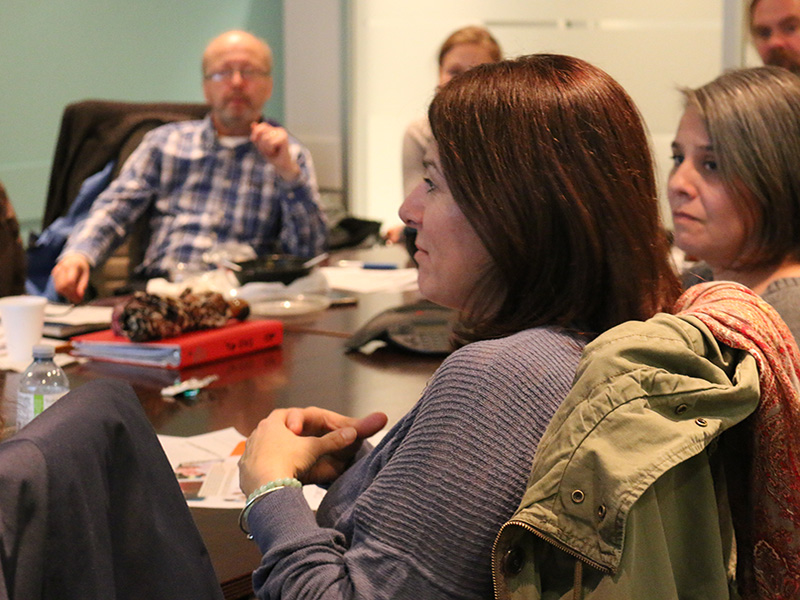
Spousal CARERS Program
This 8-week online program is for care partners of people with mid- to late-stage dementia. CARERS is a comprehensive dementia care program that supports problem-solving skill development and introduces the innovative use of standardized patients – actors trained to simulate real-life situations – so that caregivers, guided by expert clinical coaches, will learn how to address communication challenges.
Audiences:

May 8, 2025 @ 10:00 am - 12:00 pm
Living with Ambiguous Loss Support Group
This 4-week online caregiver support group will provide an opportunity for care partners of individuals living with dementia to come together to support each other through the caregiving experience, with a structured focus on the concept of “Ambiguous Loss”.

May 8, 2025 @ 11:00 am - 12:00 pm
Dance Fitness 2026
This gentle low impact dance fitness class with Jenn uses diverse music and simple dance movements to create a dynamic and energizing aerobic workout. With easy to follow moves that can be done seated or standing, this upbeat class is set to positive, playful and uplifting music.
Cost: Free
Audiences:
May 8, 2025 @ 1:30 pm - 3:00 pm
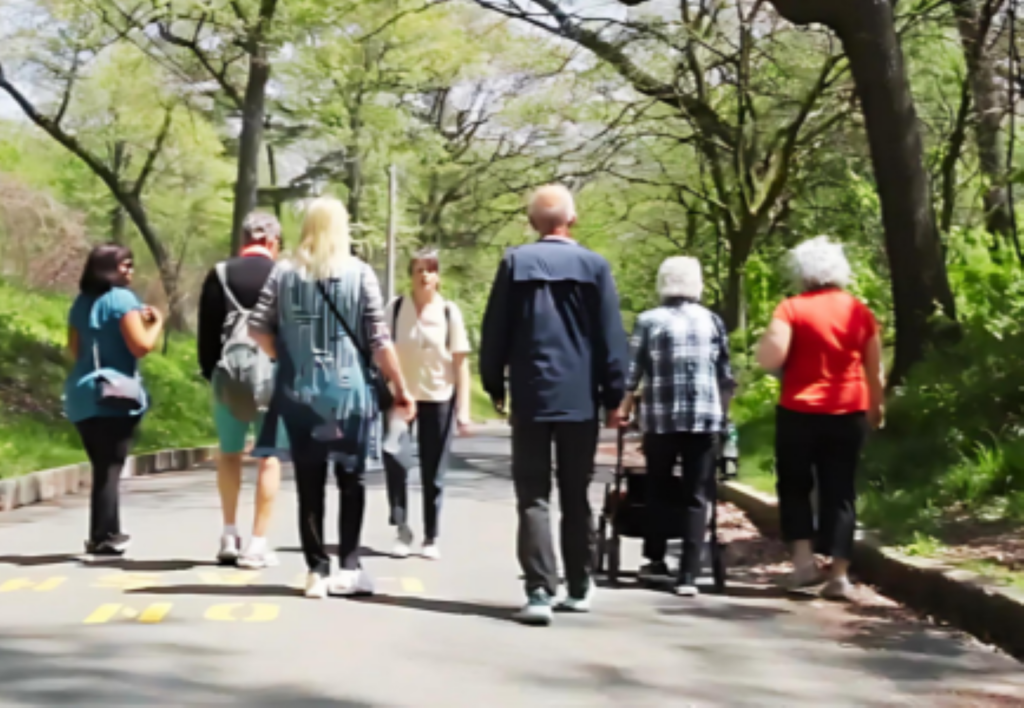
Making Strides: Spring in the West End
High Park 1873 Bloor St W, TorontoJoin us for an in-person 6-part walking series and enjoy activating your body in the beauty of nature. Get your steps in and then enjoy a chat with a drink in the cafe - on us!
Audiences:

May 8, 2025 @ 6:30 pm - 8:30 pm
Young Onset Dementia Caregiver Support Group
This monthly support group will provide an opportunity for care partners of a person living with young onset dementia (diagnosed before the age of 65) to come together to support each other through the caregiving experience.
Audiences: