
Calendar
Events

November 27, 2024 @ 2:30 pm - 4:30 pm
Caregiver Support Group
Alzheimer Society of Toronto Head Office 20 Eglinton Ave West, 16th floor, Toronto, Ontario, CanadaThis in-person monthly caregiver support group will provide an opportunity for caregivers/partners of individuals living with dementia to come together to support each other through the caregiving experience.
Audiences:

November 28, 2024 @ 10:00 am - 11:30 am
Scarborough General Caregiver Support Group
Mid-Scarborough Hub 2658 Eglinton Ave E, Scarborough, Ontario, CanadaThis in-person monthly caregiver support group will provide an opportunity for caregivers/partners of individuals living with dementia to come together to support each other through the caregiving experience.
Audiences:

November 28, 2024 @ 12:00 pm - 1:00 pm
EASE Session 4: Personal Challenges
Persons we work with may exhibit behaviours that trigger a response in our own selves. In this session we explore coping strategies
Audiences:

November 28, 2024 @ 1:00 pm - 3:00 pm
East End Friends
Mid-Scarborough Hub 2658 Eglinton Ave E, Scarborough, Ontario, CanadaJoin our monthly social at our Mid-Scarborough Hub! This program is an opportunity to meet like minded people, to engage in meaningful conversations, tap into our creativity and get active.
Audiences:

November 28, 2024 @ 3:00 pm - 5:00 pm
2SLGBTQIA+ Caregiver Support Group
Are you part of the 2SLGBTQIA+ community and caring for a person impacted by dementia and/or Alzheimer’s Disease? The Alzheimer Society of Toronto will be running a support group that will provide an opportunity for participants to share and learn with others in a supportive and inclusive environment.
Audiences:

December 3, 2024 @ 9:30 am - 11:30 am
Drop-in Spousal Support Group
Scotiabank Learning Centre, Providence Healthcare 3276 St Clair Ave E, Scarborough, Ontario, CanadaThis monthly, drop-in support group provides an opportunity for spouses caring for a person living with dementia to come together and support each other through the caregiving experience.
Audiences:
December 3, 2024 @ 1:30 pm - 3:00 pm
Understanding Behaviours and Supportive Communication
This workshop provides an overview of behaviours in dementia and communicating in a supportive manner. It will focus on providing participants with the knowledge of how behaviours and communication can change over the course of the disease and ways to supportively communicate with a person living with dementia.
Audiences:
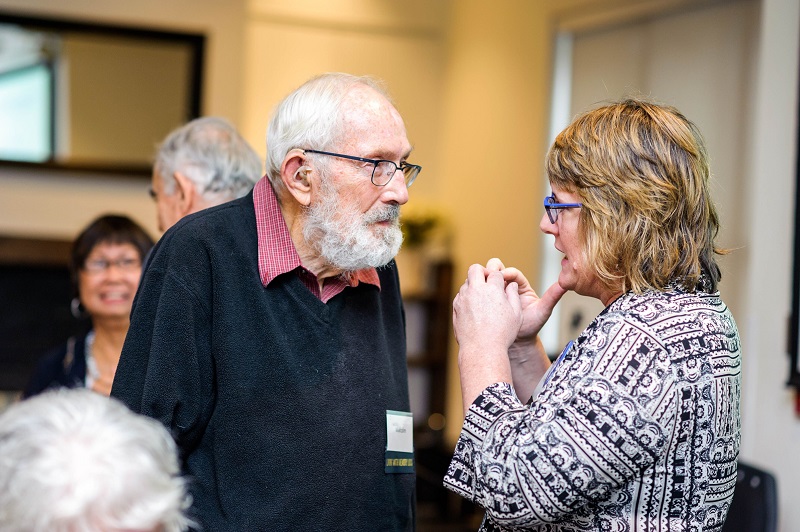
December 3, 2024 @ 5:00 pm - 7:00 pm
General Caregiver Support Group
This monthly caregiver support group will provide an opportunity for caregivers/partners of individuals living with dementia to come together to support each other through the caregiving experience.
Audiences:

December 5, 2024 @ 10:00 am - 12:00 pm
Living with Ambiguous Loss Support Group
This 4-week online caregiver support group will provide an opportunity for care partners of individuals living with dementia to come together to support each other through the caregiving experience, with a structured focus on the concept of “Ambiguous Loss”.
Audiences:

December 5, 2024 @ 5:30 pm - 7:00 pm
Long-Term Care Caregiver Support Group
This monthly caregiver support group will provide an opportunity for caregivers of individuals living with dementia residing in long-term care to come together to share personal feelings and support each other through the caregiving experience.
Audiences:
December 6, 2024 @ 9:00 am - 5:00 pm
Gentle Persuasive Approaches (GPA) Training
Alzheimer Society of Toronto Head Office 20 Eglinton Ave West, 16th floor, Toronto, Ontario, CanadaGPA Basics is a 4 module evidence-based education session designed for team members who care for older adults who display responsive behaviours associated with dementia.

December 7, 2024 @ 8:00 am - 3:00 pm
U-First! (for Health Care Professionals) – Special Funding
U-First!® is a training program that helps non-registered health care providers develop a common knowledge base, language, values and approach to caring for people with Alzheimer’s disease and cognitive impairment by understanding the person and associated behaviour changes, and working as a team to develop individualized support strategies.
Audiences: