
Calendar
Events

May 15, 2025 @ 10:00 am - 12:00 pm
Living with Ambiguous Loss Support Group
This 4-week online caregiver support group will provide an opportunity for care partners of individuals living with dementia to come together to support each other through the caregiving experience, with a structured focus on the concept of “Ambiguous Loss”.

May 15, 2025 @ 10:30 am - 12:00 pm
TEACH Program (Training, Education, and Assistance for Caregiving at Home)
Alzheimer Society of Toronto Head Office 20 Eglinton Ave West, 16th floor, Toronto, Ontario, CanadaThe TEACH Program consists of 4 weekly group sessions that focuses on common caregiving themes; self-care, healthcare system navigation, relationship changes and future planning. The program coaches care partners in practical communication and coping skills, and provides an opportunity to share and learn from other care partners.
Audiences:

May 15, 2025 @ 11:00 am - 12:00 pm
Dance Fitness 2026
This gentle low impact dance fitness class with Jenn uses diverse music and simple dance movements to create a dynamic and energizing aerobic workout. With easy to follow moves that can be done seated or standing, this upbeat class is set to positive, playful and uplifting music.
Cost: Free
Audiences:
May 15, 2025 @ 1:30 pm - 3:00 pm
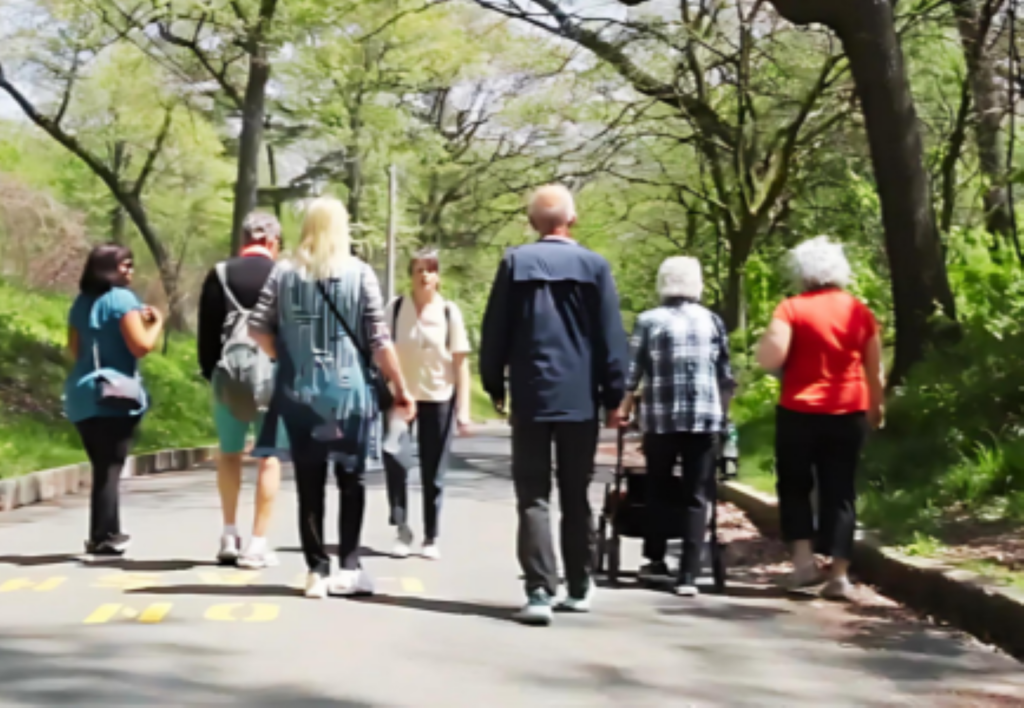
Making Strides: Spring in the West End
High Park 1873 Bloor St W, TorontoJoin us for an in-person 6-part walking series and enjoy activating your body in the beauty of nature. Get your steps in and then enjoy a chat with a drink in the cafe - on us!
Audiences:

May 15, 2025 @ 2:00 pm - 3:30 pm
Understanding Behaviours and Supportive Communication
This workshop provides an overview of behaviours in dementia and communicating in a supportive manner. It will focus on providing participants with the knowledge of how behaviours and communication can change over the course of the disease and ways to supportively communicate with a person living with dementia.
May 15, 2025 @ 5:30 pm - 7:00 pm
Frontotemporal Dementia Caregiver Support Group
This monthly support group will provide an opportunity for care partners of individuals living with Frontotemporal dementia to come together to support each other through the caregiving experience.
Audiences:

May 15, 2025 @ 5:30 pm - 7:30 pm
Adult Child Caregiver Support Group
This monthly open support group will provide an opportunity for care partners of a parent diagnosed with OR suspected of having cognitive impairment to come together to support each other through the caregiving experience.
Audiences:
May 16, 2025 @ 1:30 pm - 3:00 pm
Making Strides: Spring in the East End
Evergreen Brickworks 550 Bayview Ave, TorontoJoin us for an in-person 4-part walking series and enjoy activating your body in the beauty of nature. Get your steps in and then enjoy a chat with a drink in the cafe - on us!
Audiences:
May 20, 2025 @ 1:30 pm - 3:00 pm
Minds in Motion (Virtual)
Minds in Motion® is an evidence-based program that includes physical activity, socialization, and mentally stimulating activities for people living with dementia and their care partners to participate in together.
Audiences:

May 20, 2025 @ 1:30 pm - 3:00 pm
Textile Art w/Lux Gow-Habrich
Alzheimer Society of Toronto Head Office 20 Eglinton Ave West, 16th floor, Toronto, Ontario, CanadaTextile Explorations is a relaxed in-person textile art creation series, designed for individuals living with dementia and their partners in care. Lux Gow-Habrich will lead this program where we will play with exciting textures and colours and explore techniques like weaving, felting, textile collage, embroidery, surface design and bask in the meditative qualities of fibre and fabric arts.
Audiences:

May 20, 2025 @ 1:30 pm - 3:00 pm
Enhancing Family Dynamics
This workshop is for care partners of individuals living with dementia. The focus of the session will be on exploring significant sources of conflict for families dealing with dementia and strategies for assisting families, building on strengths and resilience.

May 21, 2025 @ 2:30 pm - 4:30 pm
The Community Connections Cafe – Yonge and Eglinton
Alzheimer Society of Toronto Head Office 20 Eglinton Ave West, 16th floor, Toronto, Ontario, CanadaThe Community Connections Café is a welcoming space where people with memory loss or Dementia, and their care partners, can come to connect with others and support their brain health while socializing.
Audiences: